Saltpeter: The History of Potassium and Sodium Nitrate Production
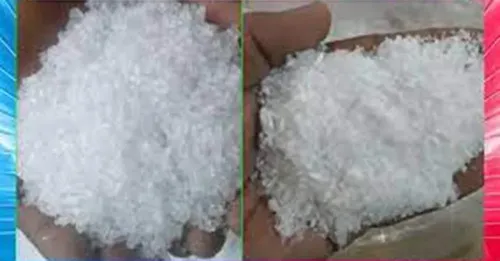
For centuries, a simple white crystalline substance held the power to feed populations, preserve vital food supplies, and topple empires. Known historically as saltpeter, this naturally occurring compound has driven global trade, sparked conflicts, and revolutionized agriculture. However, the term "saltpeter" actually refers to two distinct but closely related chemical compounds: potassium nitrate and sodium nitrate. Their unique properties sent human history down two very different paths.
The Gunpowder Age: Potassium Nitrate
Potassium nitrate KNO3 is the traditional saltpeter. For early chemists, militaries, and fireworks craftsmen, this compound was the magic ingredient in black powder. It provided the essential oxygen needed for sulfur and charcoal to ignite in a rapid, explosive reaction within the confined barrel of a gun or cannon.
Because it requires highly specific biological and environmental conditions to form naturally, potassium nitrate was a rare and valuable commodity. It was traditionally scraped from the dark, dry walls of limestone caves in places like India, Spain, and the American states of Kentucky and Virginia. These deposits were formed over centuries through the slow decomposition of bat guano in environments completely shielded from rain.
The defining characteristic of potassium nitrate is that it does not absorb moisture from the ambient air. This meant gunpowder made with it would remain dry, stable, and ready to fire, cementing its place as a critical military resource for hundreds of years. Furthermore, its ability to draw moisture out of organic tissue made it an invaluable tool for curing and preserving meats.
The Agricultural Boom: Sodium Nitrate
As the global population surged in the 19th century, the demand for nitrates outpaced what cave walls could provide. The world desperately needed massive quantities of nitrogen to fertilize depleted soil. The solution was found in the Atacama Desert of Chile, South America, where millions of tons of sodium nitrate NaNO3 lay right on the surface. Because the Atacama is one of the driest places on Earth, these vast deposits—stretching 450 miles long and up to 40 miles wide—had never been washed away by rain.
Sodium nitrate, often called "Chilean saltpeter," was virtually useless for firearms. It is highly hygroscopic, meaning it eagerly absorbs water vapor from the atmosphere. Gunpowder made with sodium nitrate quickly turns into a damp, useless paste. However, this same moisture-loving trait made it a miracle fertilizer. When spread over farm fields, it immediately absorbed atmospheric moisture and dissolved into the soil, delivering a massive, life-giving dose of nitrogen directly to plant roots.
The Synthetic Revolution
The global reliance on natural saltpeter mines eventually came to a sudden halt in the early 20th century. German chemists developed the Haber-Bosch process to synthesize ammonia by pulling nitrogen directly from the air. This monumental breakthrough meant that both potassium nitrate for explosives and sodium nitrate for fertilizers could be manufactured in a laboratory setting, rather than heavily mined from remote caves and deserts.
Today, the sprawling saltpeter mining towns of the Atacama Desert sit abandoned, returning to the dust. Yet, the legacy of saltpeter remains. Whether in the fireworks that light up the night sky, the cured meats in our kitchens, or the synthetic fertilizers that sustain global agriculture, these remarkable historical compounds continue to shape our modern world.