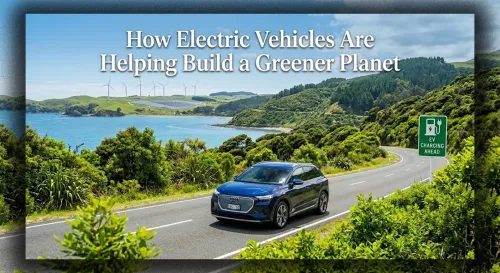
How Electric Vehicles Are Helping Build a Greener Planet
As concerns about climate change and environmental sustainability continue to grow, electric vehicles (EVs) are emerging as one of the most promising solutions for reducing the world's carbon footprint. Unlike traditional gasoline-powered vehicles, EVs operate using electricity stored in rechargeable batteries, producing little to no direct emissions. Their increasing popularity is playing a significant role in creating a cleaner, healthier, and greener planet.
Reducing Greenhouse Gas Emissions
One of the biggest environmental benefits of electric vehicles is the reduction of greenhouse gas emissions. Conventional vehicles burn fossil fuels such as gasoline and diesel, releasing carbon dioxide (CO₂) and other harmful pollutants into the atmosphere. These emissions contribute significantly to global warming and air pollution. Electric vehicles, on the other hand, produce zero tailpipe emissions. When powered by renewable energy sources such as solar, wind, or hydroelectric power, EVs can dramatically reduce the overall environmental impact of transportation.
Improving Air Quality
Air quality improvement is another important advantage of electric vehicles. In many urban areas, vehicle emissions are a major source of air pollution, leading to respiratory diseases, heart conditions, and other health problems. By replacing fuel-powered cars with electric alternatives, cities can experience cleaner air and healthier living conditions. Reduced pollution not only benefits human health but also helps protect ecosystems and wildlife from harmful environmental contaminants.
Enhancing Energy Efficiency
Electric vehicles are far more energy-efficient than traditional vehicles. Internal combustion engines waste a large portion of fuel energy as heat, while electric motors convert most of their energy directly into motion. This increased efficiency means less energy is required to travel the same distance, helping conserve resources and promote sustainable energy consumption.
Supporting Renewable Energy Growth
Another way EVs contribute to a greener planet is by encouraging the expansion of renewable energy infrastructure. As demand for electric vehicles rises, governments and businesses are investing more in clean energy technologies and charging networks. This shift reduces dependence on fossil fuels and supports the development of a more sustainable energy system. Solar-powered charging stations and smart energy grids are becoming increasingly common in many regions.
Advancements in Battery Technology
The production and recycling of EV batteries continue to improve as technology advances. Manufacturers are developing more sustainable battery materials, longer-lasting batteries, and efficient recycling methods. These innovations help reduce waste, conserve valuable resources, and minimize the environmental impact associated with battery production and disposal.
Challenges and Future Opportunities
While electric vehicles offer many environmental benefits, challenges remain. Expanding charging infrastructure, reducing battery production costs, and ensuring sustainable sourcing of raw materials are ongoing priorities. However, continuous innovation and supportive government policies are helping overcome these obstacles. Incentives, tax credits, and environmental regulations are making EVs more accessible and attractive to consumers worldwide.