VPNs Explained: How They Work and Why You Need One
The Core Process: Encryption and Tunneling
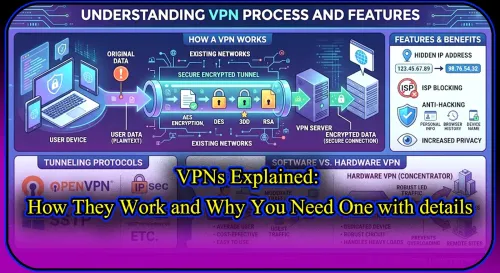
A Virtual Private Network (VPN) creates a secure, encrypted connection when you send data online. To protect your information, VPNs use strong encryption algorithms like AES, DES, 3DES, and RSA.
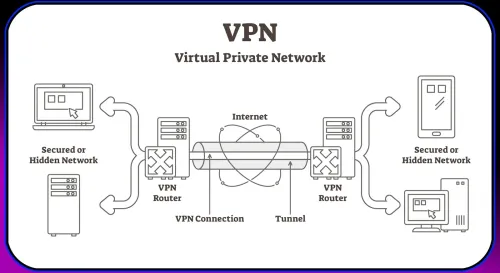
The VPN builds a secure "tunnel" over your existing network. Different VPNs use different tunneling protocols depending on the provider and your specific needs. Common protocols include OpenVPN, IPsec, and Secure Socket Tunneling Protocol (SSTP)—which is especially popular for Microsoft Windows environments.
Why You Should Use a VPN Tunnel
Whenever you connect to the internet, your local Internet Service Provider (ISP) facilitates that connection. Because of this, ISPs (and potentially hackers on public Wi-Fi) can access and track your location, browsing history, and personal data.
By using a VPN, your data is encrypted and your true IP address is hidden. This masks your browser history, internet protocol, and device details. Using a VPN is imperative to increase your privacy and keep your data safe from prying eyes.
Software vs. Hardware VPNs
For the average user, connecting to a software-based VPN server is a cost-effective and easy-to-use solution. However, large businesses dealing with heavy traffic and multiple remote sites need something more robust.
If a large enterprise relies solely on standard software VPNs, the central site can easily become overloaded. That is why enterprise networks create hardware-based VPN connections using dedicated devices known as VPN Concentrators. These are robust devices designed specifically to handle massive amounts of secure, dedicated VPN traffic without slowing down the network.
Reliable VPN for personal use, here are a few industry favorites:
NordVPN: Often rated as the best overall for speed, security features, and streaming.
Surfshark: The best budget-friendly option, especially because it allows unlimited device connections on a single account.
Proton VPN: Based in Switzerland, it is highly respected for its strict privacy policies and offers one of the best free versions available.
ExpressVPN: Known for being incredibly fast, reliable, and very easy to use for beginners.
Now that you know how it works, we hope you found this useful! Don't forget to like and follow our page as we post about technology daily.