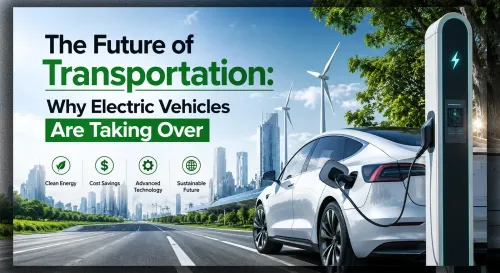
The Future of Transportation: Why Electric Vehicles Are Taking Over
The transportation industry is experiencing one of the most significant transformations in its history, and electric vehicles (EVs) are at the center of this change. As concerns about climate change, environmental pollution, and rising fuel prices continue to grow, consumers, businesses, and governments are increasingly embracing electric mobility. What was once considered a niche technology is now becoming mainstream, with millions of drivers around the world choosing electric vehicles over traditional gasoline-powered cars.
the rapid adoption of electric vehicles
One of the primary reasons for the rapid adoption of electric vehicles is their environmental benefits. Conventional vehicles powered by fossil fuels release carbon dioxide and other harmful pollutants into the atmosphere, contributing to global warming and poor air quality. Electric vehicles, on the other hand, produce zero tailpipe emissions, making them a cleaner alternative. By reducing dependence on fossil fuels, EVs help lower greenhouse gas emissions and support global efforts to combat climate change. Cleaner transportation also leads to healthier communities by reducing air pollution in urban areas.
Another major factor driving the popularity of electric vehicles is cost efficiency. While the upfront purchase price of some EVs may still be higher than traditional vehicles, the long-term savings can be substantial. Electricity is generally cheaper than gasoline, allowing drivers to spend less on fuel. Additionally, electric vehicles have fewer moving parts than internal combustion engine vehicles, which means they require less maintenance. There are no oil changes, fewer engine-related repairs, and reduced wear on braking systems due to regenerative braking technology. Over time, these savings can significantly reduce the total cost of ownership.
Technological advancements
Technological advancements have also played a crucial role in the growth of the EV market. Early electric vehicles faced limitations such as short driving ranges and limited charging infrastructure. However, modern EVs offer longer battery life, faster charging speeds, and improved performance. Many new models can travel hundreds of miles on a single charge, making them practical for daily commuting and long-distance travel. Features such as smartphone integration, advanced safety systems, and autonomous driving assistance further enhance the driving experience.
Government support is another key driver of electric vehicle adoption. Many countries are offering tax incentives, rebates, and grants to encourage consumers to purchase EVs. Governments are also investing heavily in charging infrastructure, making it easier for drivers to charge their vehicles at home, work, or public charging stations. In some regions, ambitious policies aim to phase out the sale of new gasoline-powered vehicles in the coming decades, further accelerating the transition to electric transportation.
The automotive industry itself is embracing the electric future. Major manufacturers are investing billions of dollars in EV research and development, introducing innovative models across various price ranges and vehicle categories. From compact city cars to luxury sedans and electric trucks, consumers now have more choices than ever before.
In conclusion, electric vehicles are transforming the future of transportation through their environmental advantages, cost savings, technological innovations, and strong policy support. As battery technology improves and charging networks expand, EVs will become even more accessible and convenient. The shift toward electric mobility is not just a trend—it is a fundamental change that is shaping a cleaner, smarter, and more sustainable future for transportation worldwide.