Orbiting in Uncertainty: The Geopolitics Behind Myanmar’s First Satellite
Space exploration is traditionally a unifying milestone for any developing nation. For Myanmar, the launch of its very first microsatellite, MMSAT-1 (also known as Lawkanat-1), was meant to be a historic moment of immense national pride and technological advancement. Instead, this groundbreaking achievement became inextricably entangled in a complex web of geopolitics, human rights concerns, and a military coup that shook the nation to its core.
A Vision for Civilian Progress
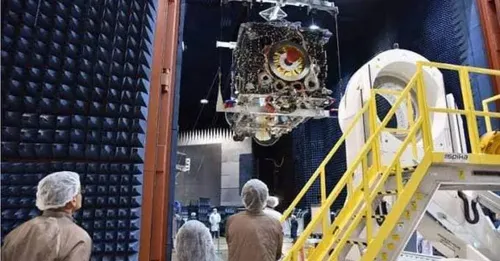
Developed as a $15.3 million joint venture between the Myanmar Aerospace Engineering University (MAEU) and Japan’s Hokkaido and Tohoku Universities, the satellite was fundamentally designed for peaceful, civilian use. Equipped with sophisticated, high-resolution Earth-observation cameras, the satellite's primary mission was to monitor agricultural yields, track forestry changes, manage fisheries, and provide crucial, time-sensitive data for natural disaster relief.
For a country where approximately 70 percent of the rural population relies heavily on farming and fishing for their livelihoods, MMSAT-1 promised to deliver transformative data. It was a tool meant to modernize Myanmar’s agricultural sector, optimize environmental resource management, and ultimately improve the daily lives of millions of citizens across the country.
Grounded at the International Space Station
However, the satellite's ambitious journey to the stars quickly collided with earthly political turmoil. In February 2021, just as the satellite arrived at the International Space Station (ISS) aboard a commercial cargo ship, the Myanmar military seized control of the civilian government. This sudden regime change immediately raised red flags across the international community.
Japanese human rights activists, government officials, and university leaders expressed deep concern that the military junta could co-opt the satellite’s advanced imaging technology for military intelligence, tracking troop movements, or civilian surveillance. In an unprecedented move, the Japan Aerospace Exploration Agency (JAXA) and its Japanese university partners temporarily halted the satellite's deployment from the ISS to reassess the ethical and security risks involved.
The Human Cost and Academic Crackdown
The crisis extended far beyond orbital logistics and international diplomacy; it had devastating, immediate consequences for the brilliant minds behind the project. In the wake of the coup, a massive, nationwide strike known as the Civil Disobedience Movement (CDM) emerged. Hundreds of thousands of citizens—including educators, doctors, civil servants, and students—walked away from their posts to peacefully protest the military takeover.
The military council retaliated with a severe and targeted crackdown on academic and institutional leaders who refused to legitimize the new regime. Tragically, among those targeted was Dr. Kyi Thwin, the respected Rector of the Myanmar Aerospace Engineering University. His arrest for his involvement in the CDM highlighted the severe personal risks faced by Myanmar's academic community, transforming a space engineering triumph into a stark reminder of the nation's fragile human rights situation.
A Legacy Written in the Stars
Ultimately, after implementing strict data-control measures to ensure the military could not access the satellite's feed directly, Japan released MMSAT-1 into low Earth orbit in late March 2021. It operated safely for two years before burning up in the atmosphere in 2023. Yet, the story of Myanmar’s first satellite remains a powerful historical footnote - proof that technological advancement is rarely isolated from the political and human realities on the ground below.